Per-seat software charges were making the sales stack increasingly expensive. Developer Labs was also paying to enrich client data without a clear usage boundary: clients could assume every contact would be enriched. The business needed to reduce recurring costs and put control around enrichment usage.
The approach
Developer Labs hired Twenty Three Systems to build software that replaced its costliest subscription-based tools. Instead of paying for open-ended enrichment on behalf of clients, it created a self-service system where clients could enrich their own contacts and customer records.
Monthly credits made usage manageable
Clients receive an allocation of enrichment credits each month. Those credits set a clear limit on included usage and give clients control over which records they enrich. This replaced the expectation of unlimited enrichment with a defined monthly allowance.
The reported economics
Software costs
From software expense to a revenue stream.
89.5%lower monthly platform cost
Before$4,775/mo
After$500/mo
Reported platform cost: $500/month versus $4,775/month in previous subscriptions. The in-house enrichment service now brings in $2,000/month in revenue.
Read the result and its scope
Previous monthly subscriptions: HubSpot $1,200 + Orum $1,575 + Clay $2,000 = $4,775. Compared with the reported $500 platform cost, that is $4,275 less per month (89.5%).
Monthly subscription costs of $4,775 compared with $500 in replacement platform costs: a reduction of $4,275 per month. The enrichment service also generates $2,000 in monthly revenue.
From a Clay bill to a revenue-generating service
The $2,000 monthly Clay subscription was eliminated. The replacement service gives clients access to their own enrichment and generates reported revenue of $2,000 per month. That revenue helps cover enrichment delivery costs instead of leaving Developer Labs to absorb them.
Developer Labs reports that the service reached roughly break-even and now contributes profit. The service replaces an external subscription with a client-facing capability, monthly usage controls, and recurring revenue.
THE SOFTWARE WE BUILT
Inside the platform built for Developer Labs.
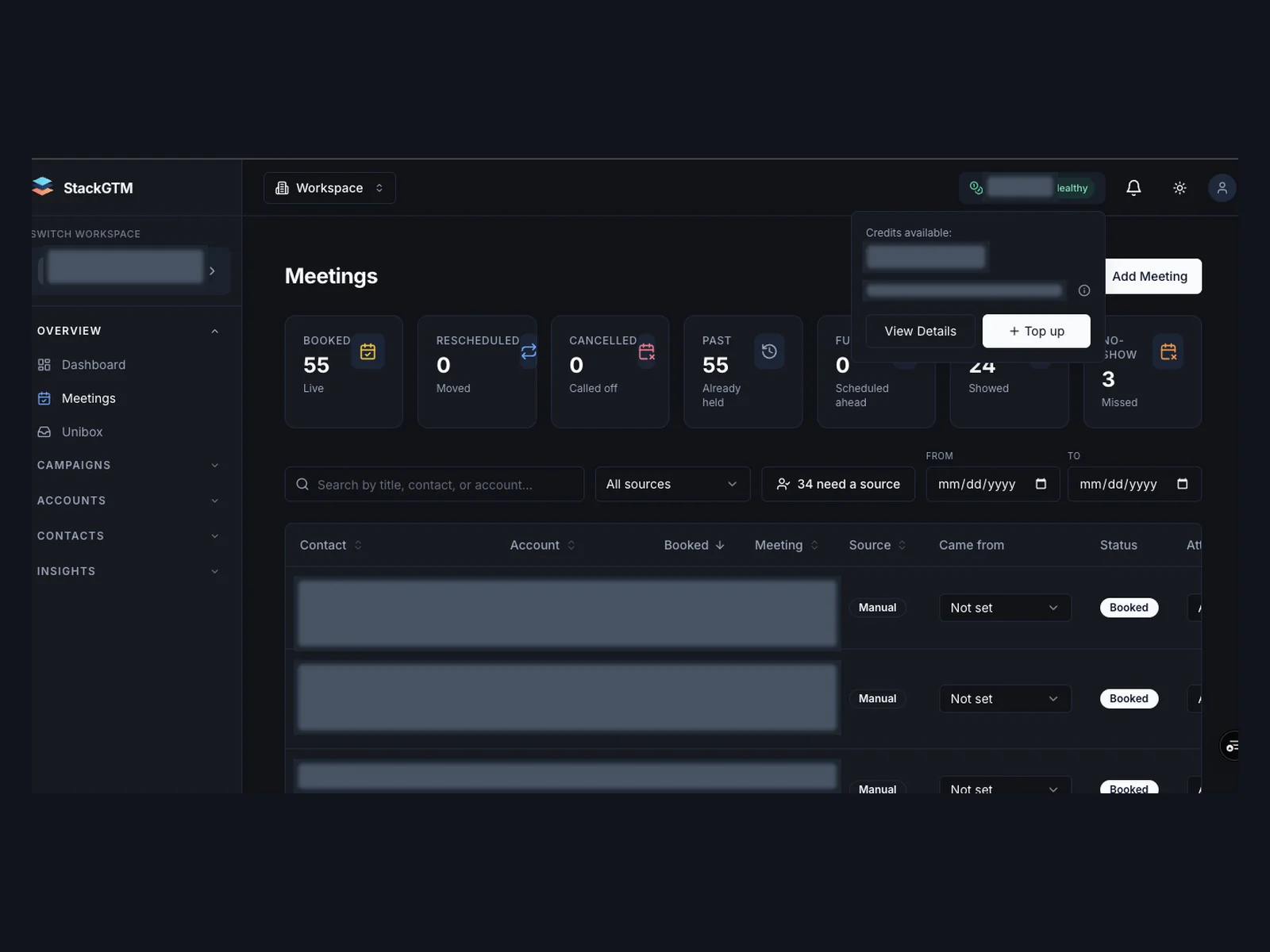
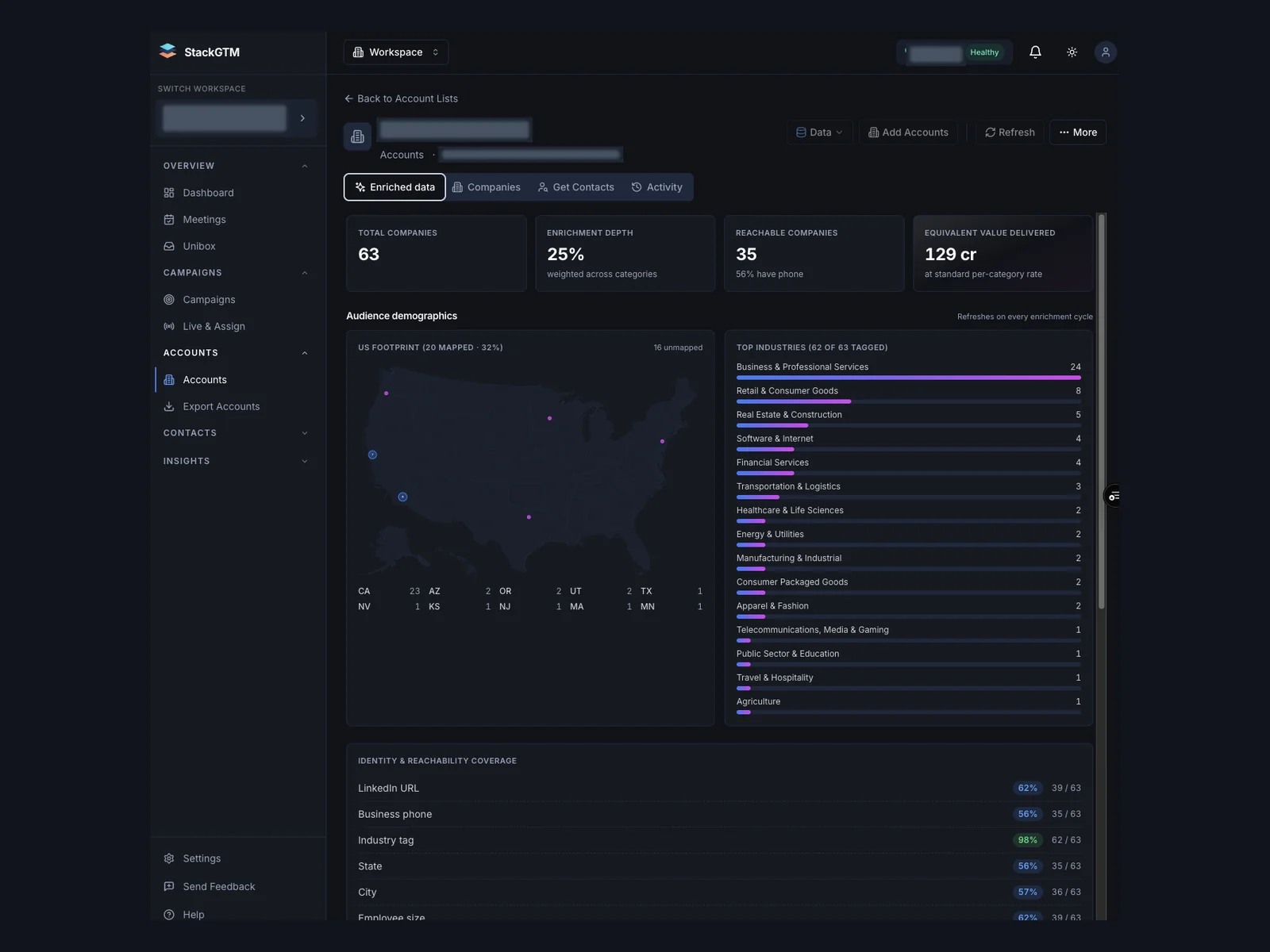
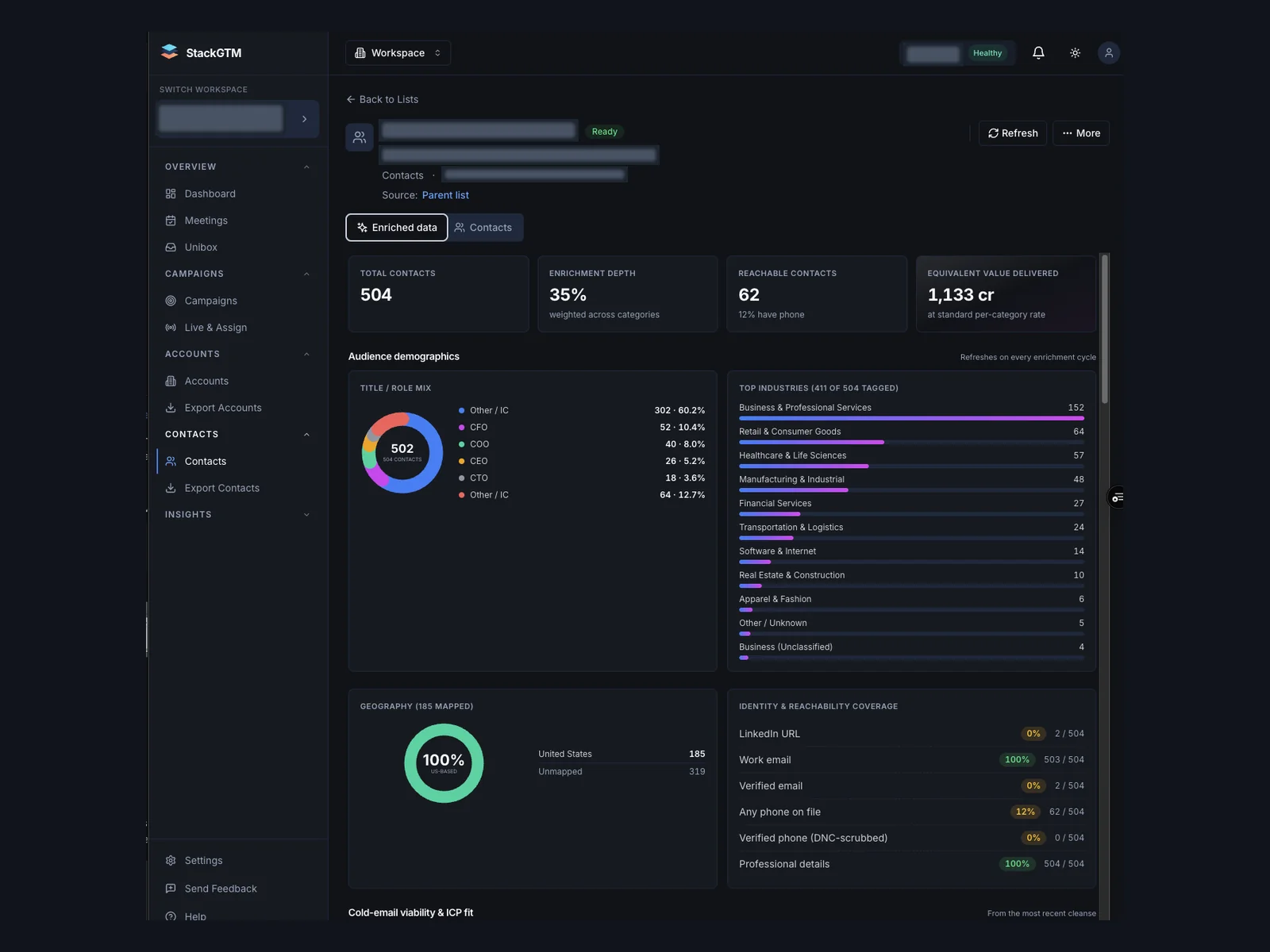
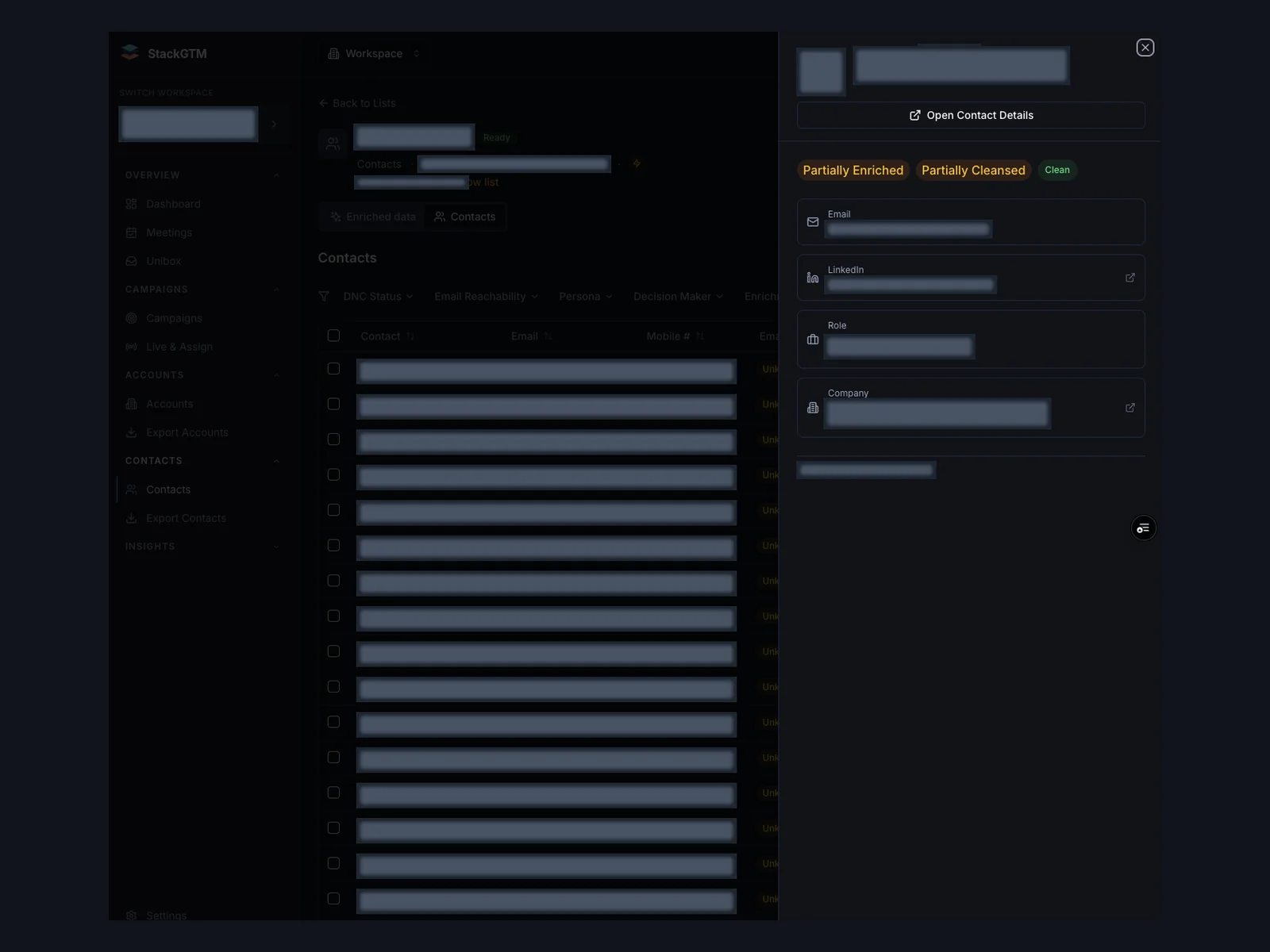
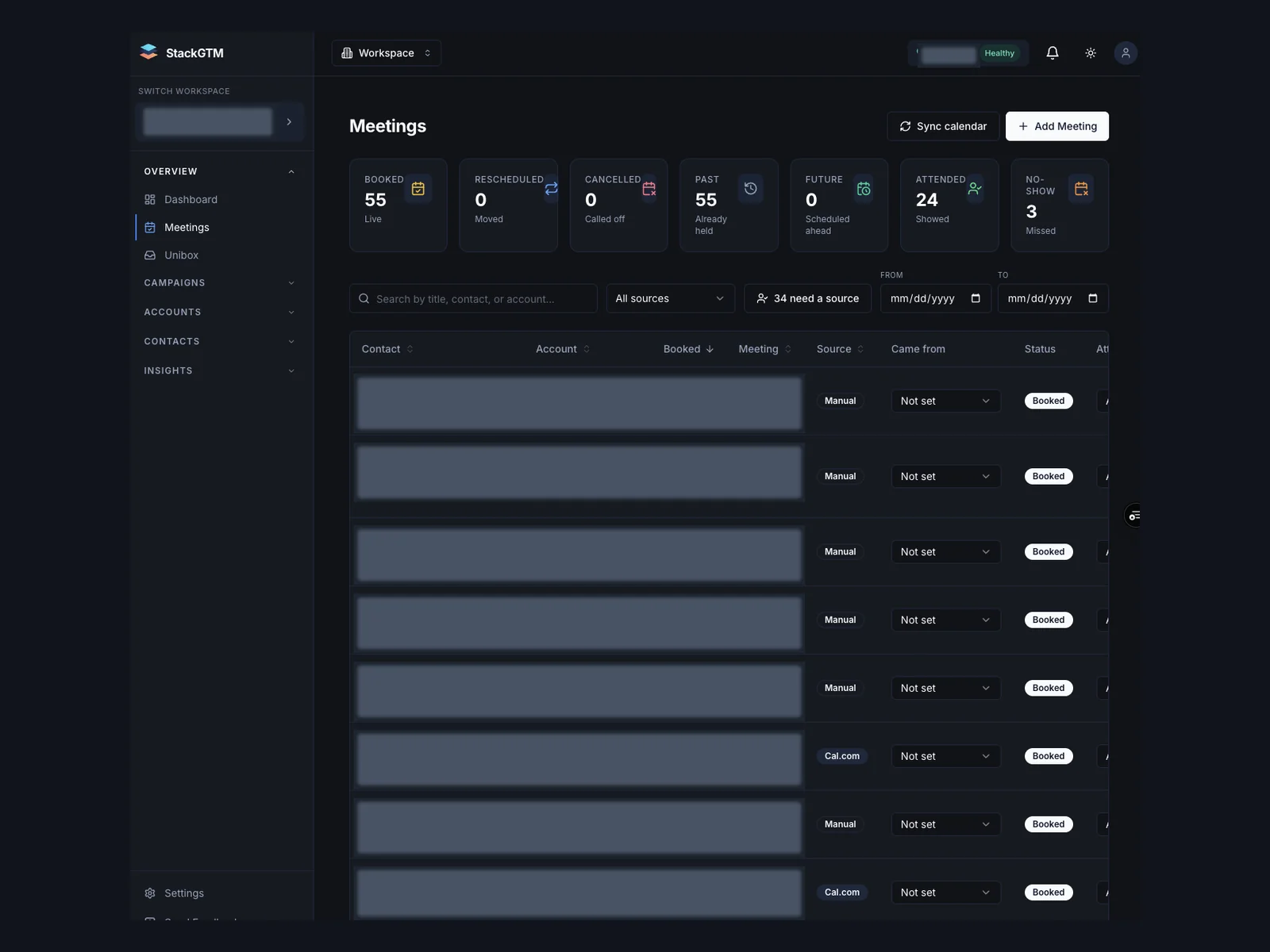
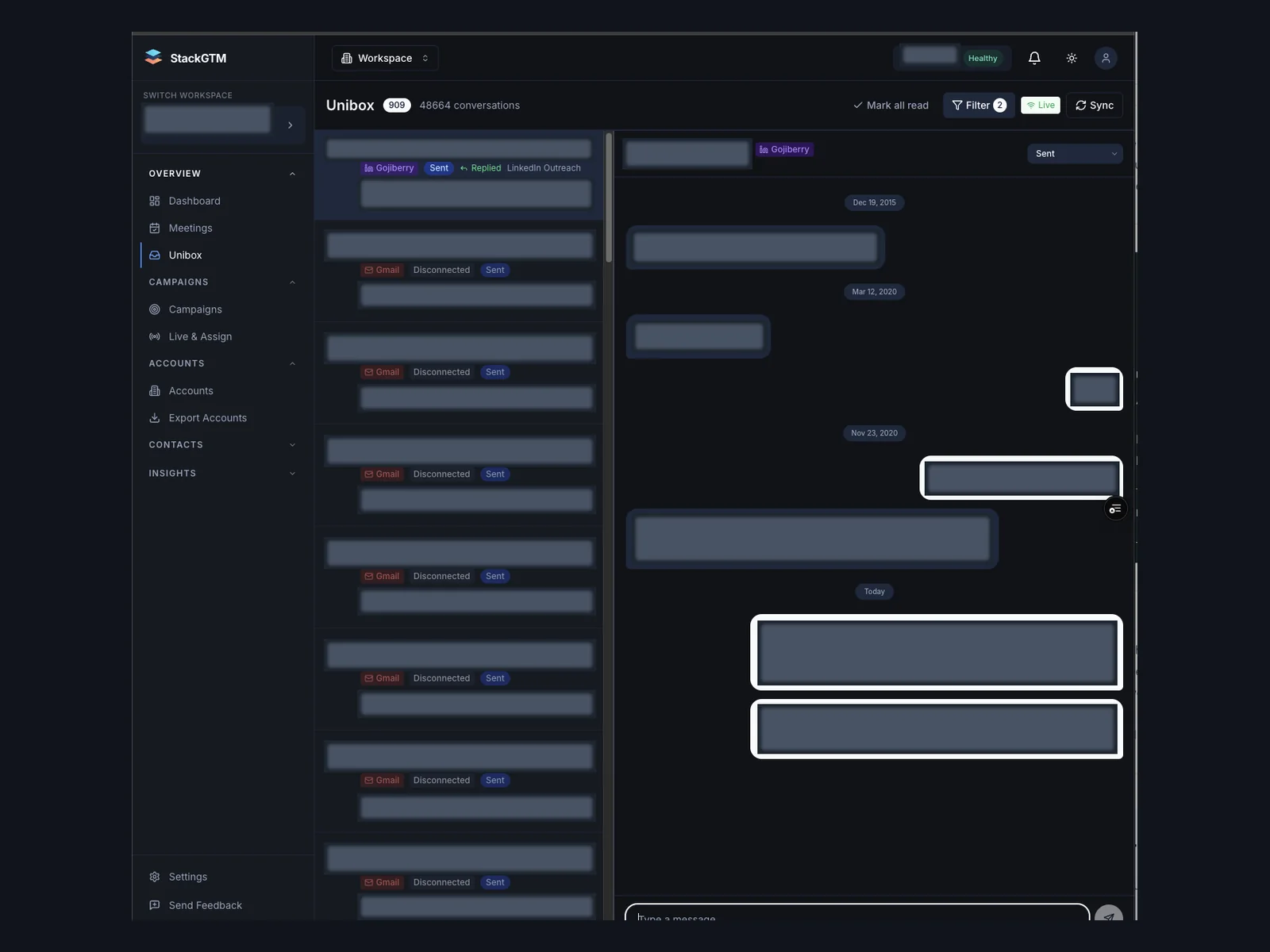
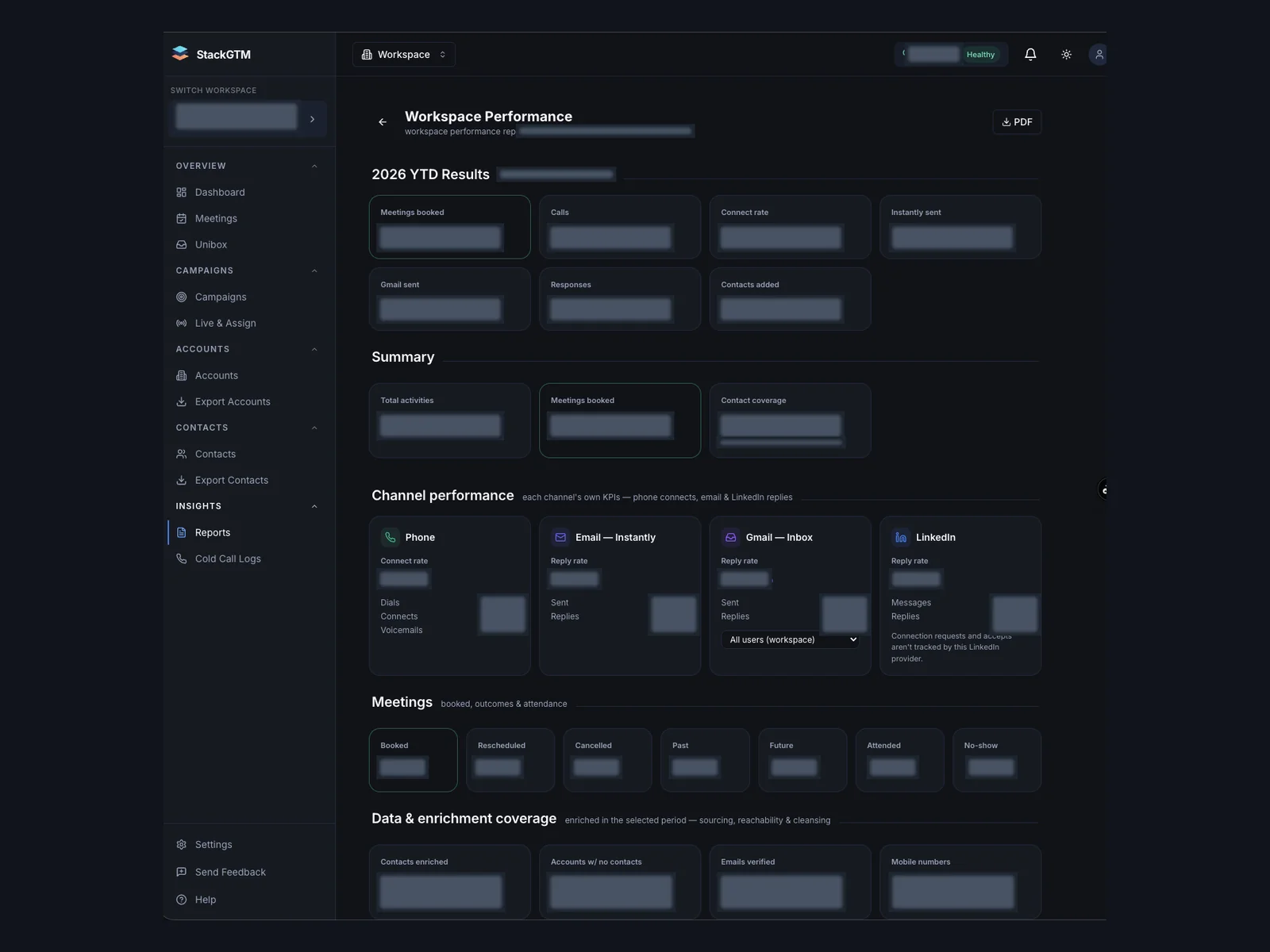
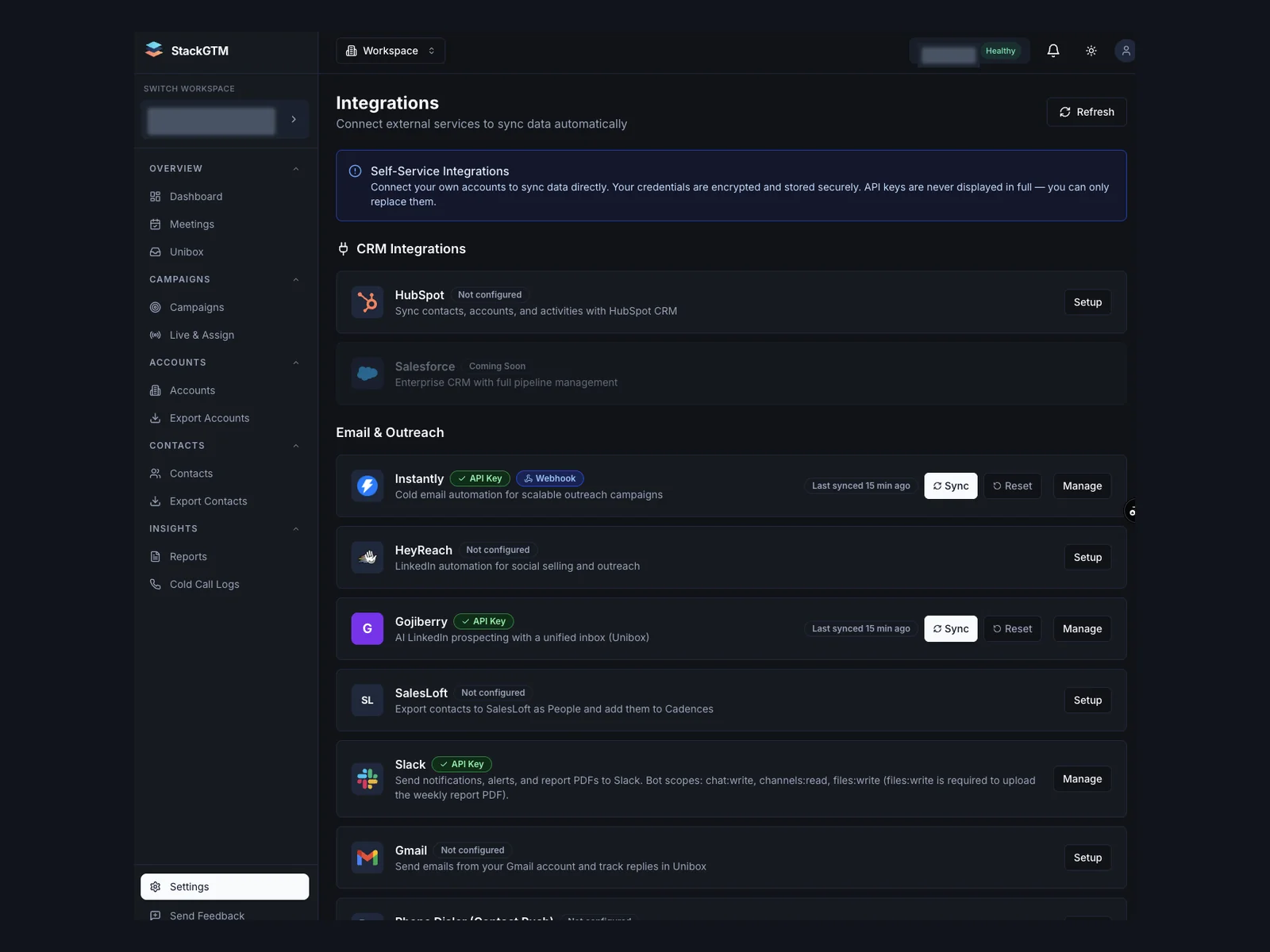
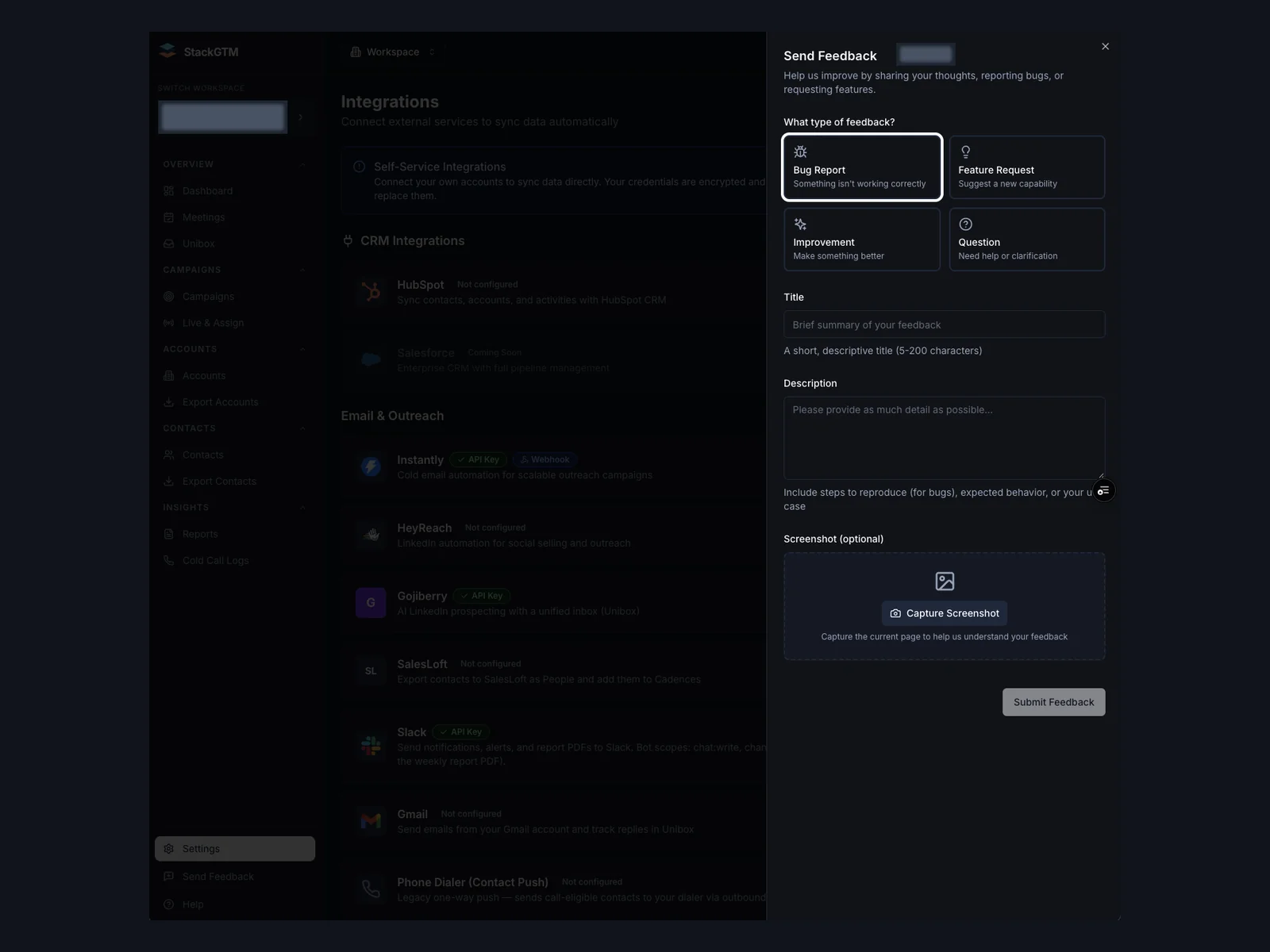
Example screenshots of StackGTM, showing the software Twenty Three Systems built for Developer Labs.
Enrichment with clear usage controls
A client-facing workspace brings enrichment, coverage insights, and credit controls together.
View screenshot ↗Credit controlsA credit overview with balance details and a top-up entry point.View screenshot ↗Account enrichmentA view of account coverage, geography, and industry composition.View screenshot ↗Contact enrichmentEnrichment depth and reachability information organized around a contact list.View screenshot ↗Contact detailsA contact panel brings enrichment and cleansing status into one view.
Sales activity in one place
Meeting, conversation, and reporting views support day-to-day sales work.
View screenshot ↗Meeting workspaceA meeting overview with filters, sources, and booking status.View screenshot ↗Unified inboxA conversation workspace brings communication channels together.View screenshot ↗Workspace reportingA reporting view organizes activity, channels, meetings, and enrichment coverage.
The platform experience
Sign-in, integrations, and feedback are part of the client-facing platform.
View screenshot ↗Platform sign-inThe StackGTM sign-in experience.View screenshot ↗Integration settingsA self-service settings page for connecting business tools.View screenshot ↗In-product feedbackA feedback panel for reporting issues and requesting improvements.
What could work better in your business?
Start with an assessment of your tools, recurring work, and priorities.